Many edge cases are never tested
Not because they are unimportant. Because they occur too rarely.
Public road testing is essential. However, many safety-critical scenarios occur so infrequently that they may never be encountered, even after thousands of kilometers of testing.
Validate the scenarios that truly matter with controlled, repeatable testing under defined environmental conditions—including rain.
Key Benefits
✓ Repeatable edge-case testing
✓ Defined rain and visibility conditions
✓ Safe testing of critical scenarios
✓ High-quality validation and AI training data
✓ End-to-end support for your test campaign
The challenge: Why 1.000 kilometers are not enough
The Problem of the "boring mile".
A vehicle can travel thousands of kilometers without ever encountering a truly critical scenario.
While public road testing provides valuable operational data, many important situations remain underrepresented:
- Pedestrians emerging from occlusions
- Unexpected obstacles on the roadway
- Heavy rain and spray
- Low visibility conditions
- Glare from sunlight or headlights
- Complex combinations of environmental factor
Safety is not determined by average driving conditions.
Safety is determined by how a system performs during rare and unexpected events.
The real question
It is not: “How many kilometers have been driven?”
It is: “Which critical scenarios have actually been tested?”
Why rain is a critical test condition
One environment factor, multiple system challenges.
Rain affects multiple vehicle systems simultaneously.
It can impact:
- Camera perception
- Radar performance
- LiDAR performance
- Sensor fusion algorithms
- Object detection and classification
- Path planning and decision making
Natural rainfall creates an additional challenge:
It cannot be scheduled, controlled, or reproduced. A scenario observed today may never occur again under the same conditions.
With defined rainfall conditions, engineers can systematically evaluate system performance and compare results across software versions, sensor configurations, and vehicle platforms.
Which edge cases are often undertested?
Perception and Sensor Performance
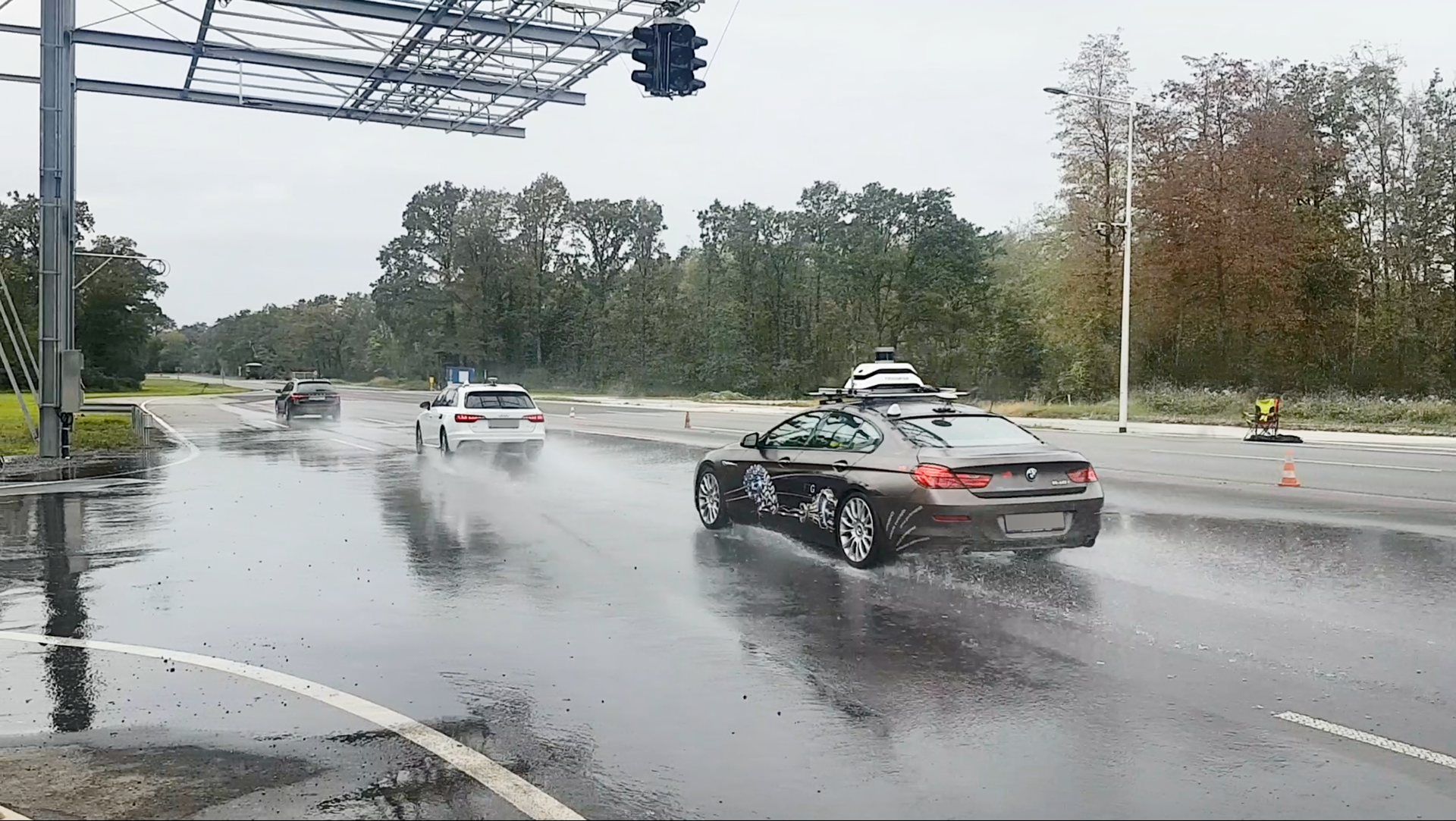
Heavy rainfall • Water spray from leading vehicles • Sensor contamination • Low-contrast objects • Sun glare • Rain combined with oncoming traffic
System Boundary Conditions
Sensor degradation • Sensor outages • Reduced system performance • Fail-operational and fallback scenarios
Vulnerable Road Users
Occluded pedestrians • Vulnerable road users under poor visibility • Unexpected roadway entries • Hidden cyclist scenarios
Complex Scenario Combinations
Rain and darkness • Rain and glare • Rain and heavy traffic • Reduced visibility and vulnerable road users
Digitrans' Testing Expertise
Purpose-Built Infrastructure for Scenario-Based Validation
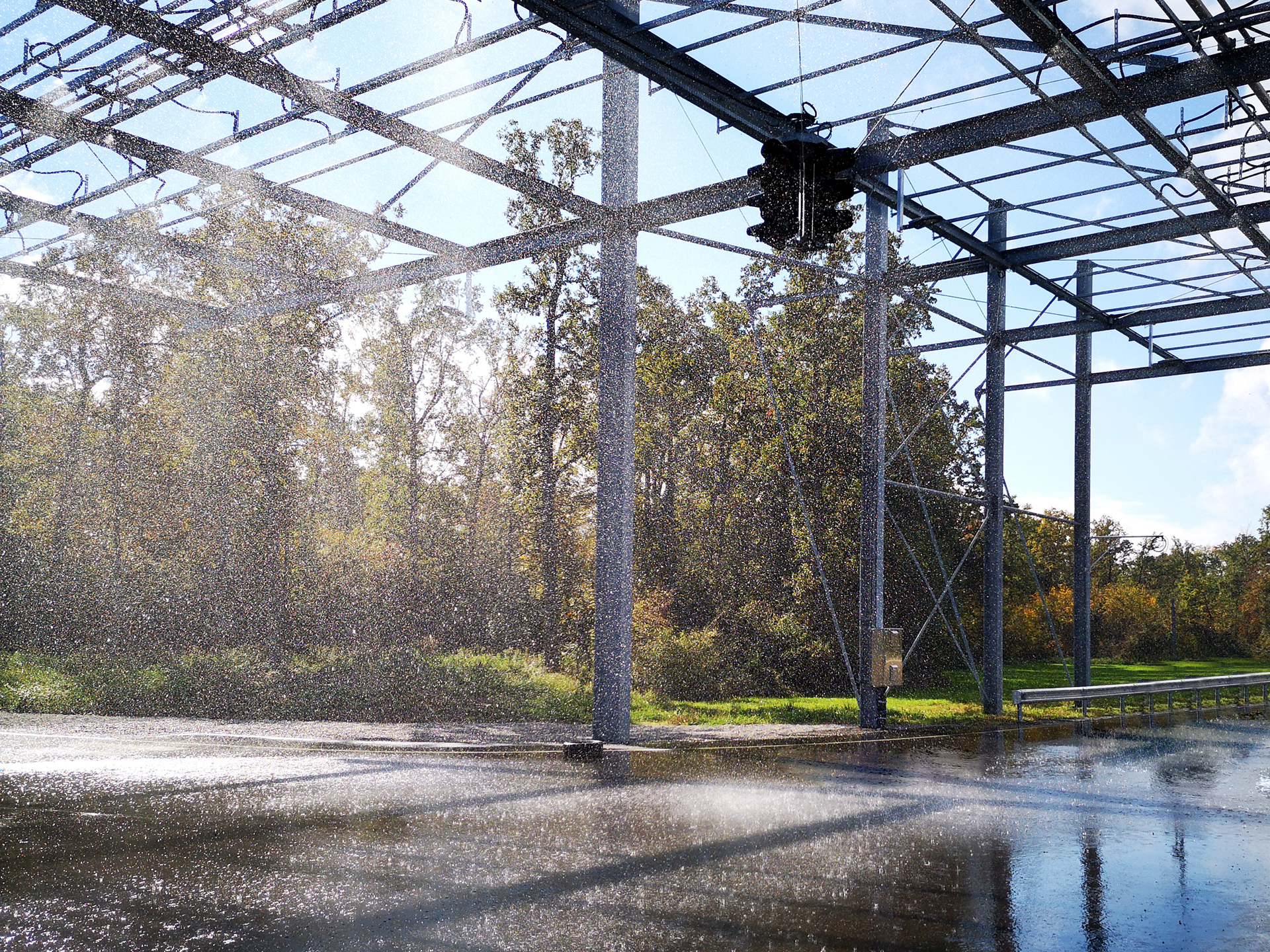
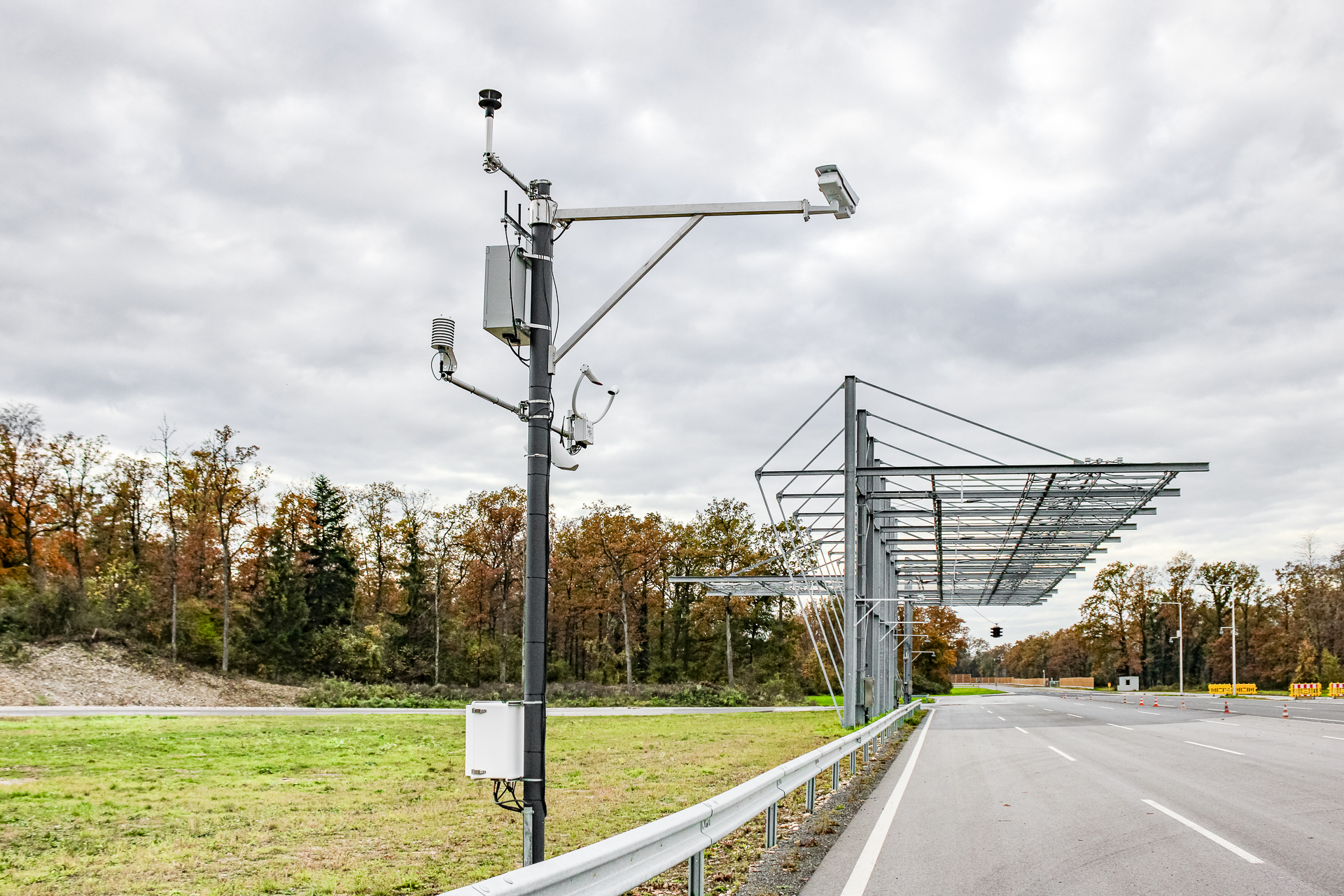
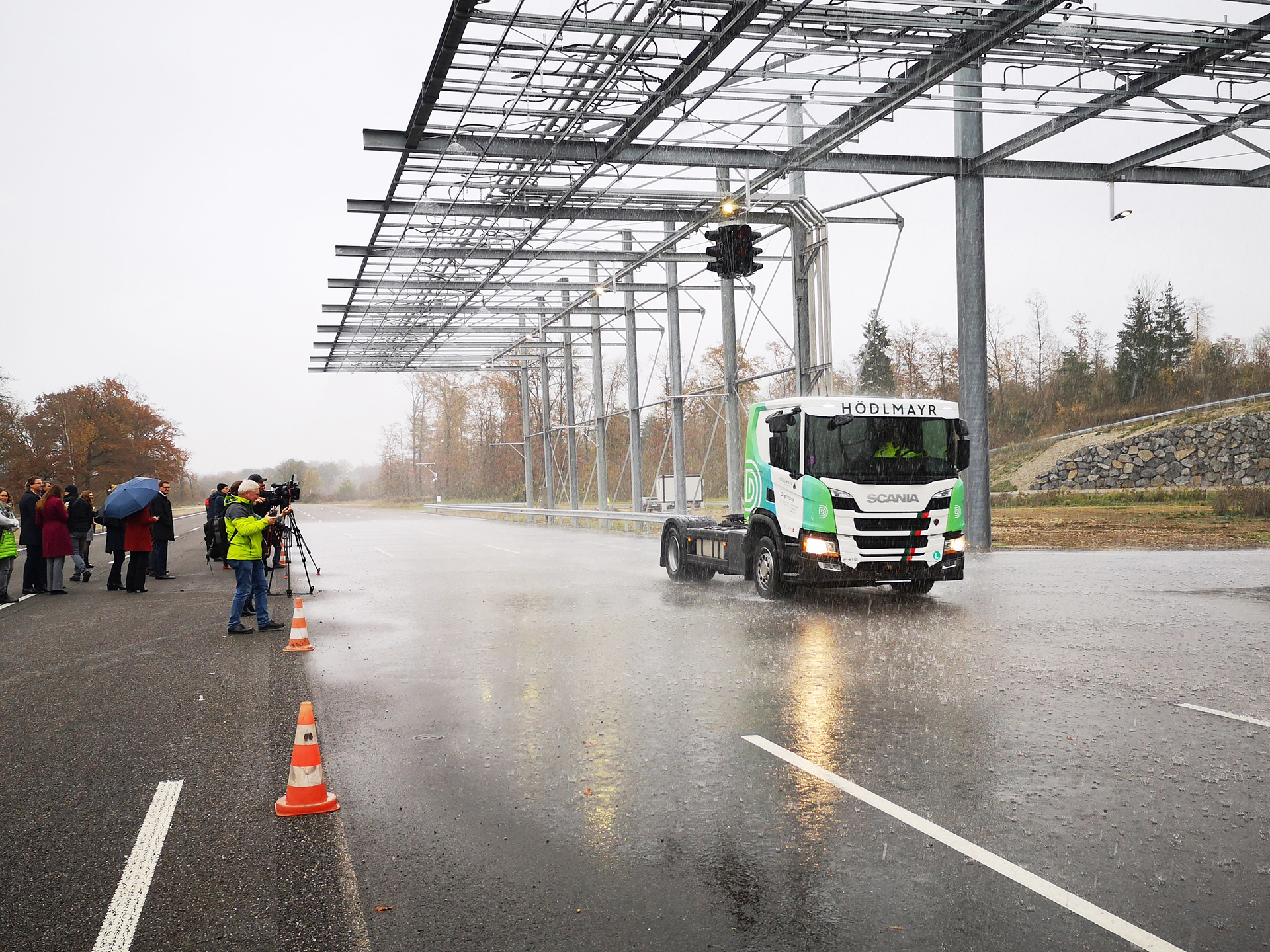
Defined and controllable rainfall conditions for reliable test execution.
Testing under realistic environmental conditions without the limitations of public roads.
Safe simulation of vehicles, pedestrians, children, cyclists, and other road users.
Support for planning, execution, and evaluation of complex test campaigns.
Fast adaptation to changing project requirements.
Our team can prepare, execute, and manage test campaigns on your behalf. This allows your engineers to focus on analysis and development while minimizing travel and on-site resource requirements.
Downloads
You are currently viewing a placeholder content from HubSpot. To access the actual content, click the button below. Please note that doing so will share data with third-party providers.
More InformationCustomer voices:
AD/ADAS - testing systems and autonomous driving in the rain
Applications of the Outdoor Rain Plant
Success-Stories
Test the scenarios that matter most
Contact us